The art of smoking through a bong involves mastering water filtration, breath control, and proper lighting technique to create smooth, filtered inhalation. Unlike other methods, bong smoking uses water as a cooling and filtering medium, making each session more comfortable while requiring specific skills around bowl packing, carb control, and clearing the chamber.
Understanding this technique isn’t about encouraging any particular habit. It’s about recognizing that millions of adults already use bongs and deserve accurate, safety-focused information. When people search for guidance on bong technique, they’re looking for practical instruction that helps them avoid common mistakes like harsh hits, wasted material, or water aspiration.
The process itself is straightforward but detail-oriented. You’ll pack a bowl with ground material, create a seal with your mouth around the tube, light while inhaling slowly to pull smoke through water and into the chamber, then release the carb or remove the bowl to clear that smoke into your lungs. The entire learning curve spans just a few sessions, but the difference between clumsy attempts and smooth technique is significant.
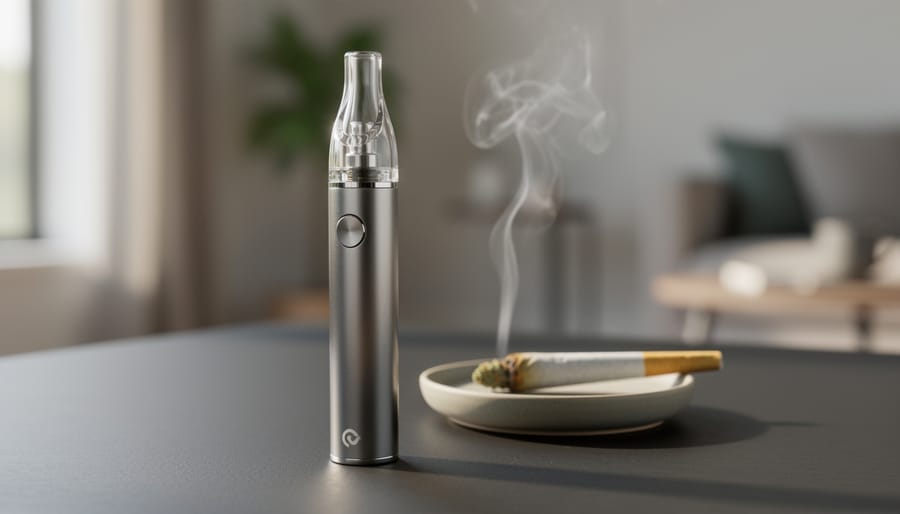
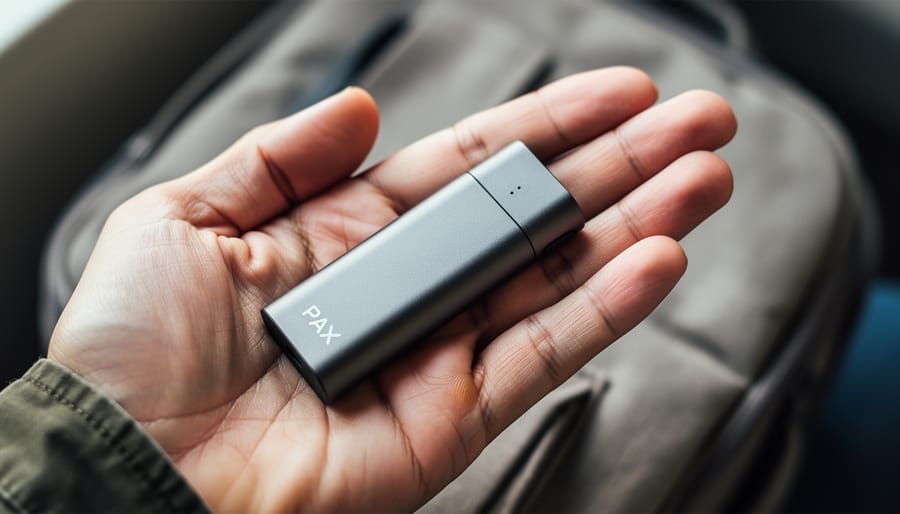
What separates experienced users from beginners comes down to three elements: controlling water level for optimal filtration without splash-back, managing airflow to prevent coughing fits, and timing the clearing motion so you’re not left with stale smoke. We’ll walk through each component in detail, covering equipment basics, safety considerations specific to water pipes, and the step-by-step process that makes bong use effective rather than uncomfortable. For those exploring alternatives, remember that modern vaporizers offer many of the same filtering benefits with reduced combustion byproducts.
Understanding Bong Basics
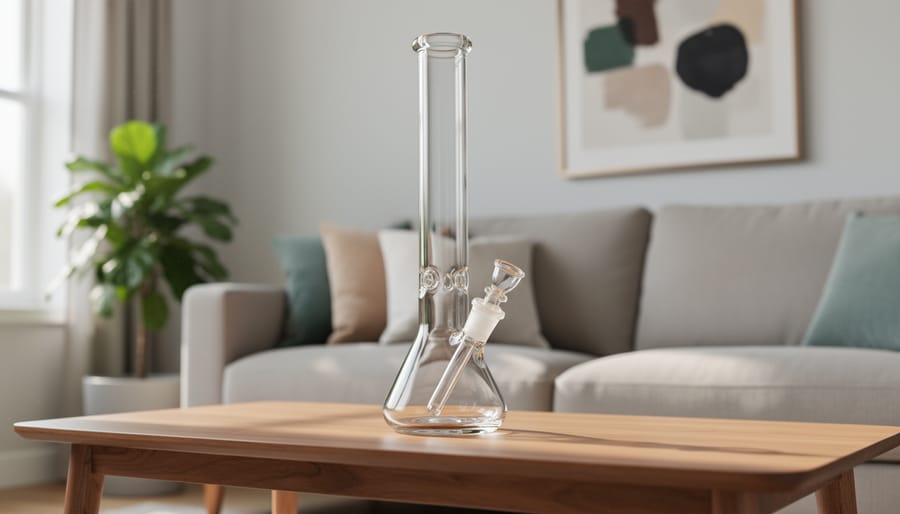
A bong is a water pipe designed to cool and filter smoke before inhalation. The device works through a simple yet effective process: smoke travels through water, which traps ash and larger particles while cooling the temperature. This filtration makes each draw smoother and less harsh on your throat compared to direct smoking methods.
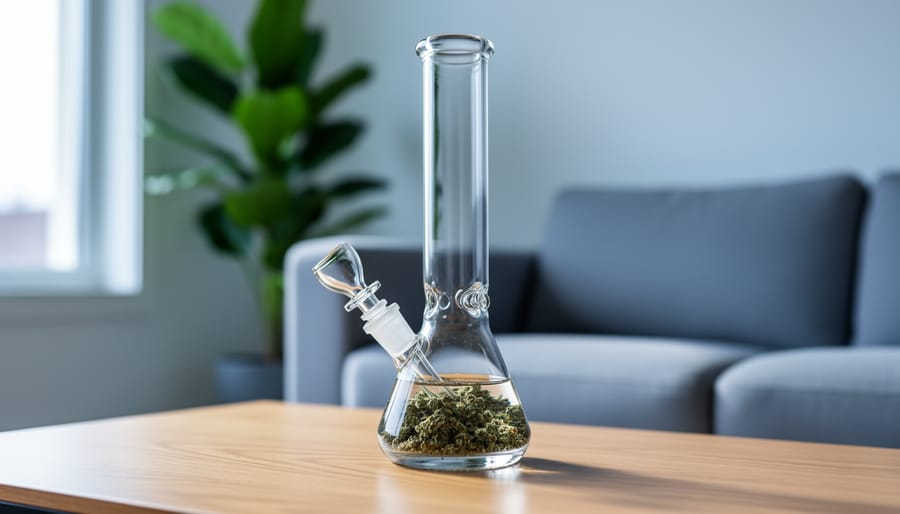
Think of a bong as having four main components working together. The bowl sits at the top or side and holds your material. When you light what’s in the bowl, smoke travels down through the downstem, which is the tube connecting the bowl to the water chamber. The chamber is the main body where smoke accumulates and water does its filtering work. Finally, the mouthpiece at the top is where you draw from.
The water level matters more than you might think. Fill too high and you’ll get water in your mouth. Too low and you lose the cooling benefit. Most users aim for about one inch above the bottom of the downstem, though this varies by bong size.
People choose bongs for several reasons beyond just smoother hits. The water filtration removes some irritants and cools smoke to a more comfortable temperature. The chamber allows you to control hit size, taking in as much or as little as you want. Many users also appreciate the ritual aspect: the process of filling, packing, and sharing creates a more deliberate experience than quicker methods.
The design has remained popular because it balances effectiveness with simplicity. Once you understand how these four parts work together, the mechanics become intuitive. Water goes in the chamber, material in the bowl, flame to the material, and you control everything through your breath at the mouthpiece.
Essential Tools and Materials You’ll Need
Before you can master proper technique, you need the right equipment. Starting with quality basics makes learning easier and helps you avoid common frustrations that come from using inadequate tools.
The Bong
Your bong is the foundation. For beginners, a simple straight tube or beaker base between 10-14 inches tall offers the best balance of functionality and ease of use. Look for thick borosilicate glass (at least 5mm) that can handle regular use and occasional bumps. Percolators and ice catchers are nice additions, but they’re not essential when you’re learning fundamentals. A clear glass bong lets you see water levels and smoke density, which helps you understand what’s happening during each hit.
Essential Tools and Accessories
- Grinder: A three-piece metal grinder creates the consistent texture needed for even burning and proper airflow through your bowl
- Lighter or hemp wick: Standard butane lighters work fine, but hemp wick gives you more flame control and reduces butane inhalation
- Cleaning supplies: Isopropyl alcohol (91% or higher) and coarse salt are non-negotiable for maintaining taste and hygiene
- Pipe cleaners or brushes: Small brushes reach the downstem and tight corners that simple rinsing misses
- Ash catcher (optional): This attachment keeps your main chamber cleaner and reduces maintenance frequency
- Extra bowl pieces: Having a backup prevents interruptions if your primary bowl breaks or gets too clogged
What Beginners Should Prioritize
Start with these four items: a quality bong, a decent grinder, a reliable lighter, and proper cleaning supplies. Everything else can wait until you’ve developed your technique and know what features matter to you. Spending more on your bong and grinder pays off through better experiences and longer lifespan, while accessories like ash catchers make sense once you understand your usage patterns and maintenance preferences.
Safety Considerations Before You Begin
Before you start practicing the art of smoking with a bong, understanding essential safety considerations protects both your immediate wellbeing and long-term health. These guidelines aren’t judgments, they’re practical knowledge that helps you make informed decisions about your smoking technique.
Ventilation and Environment
Always smoke in a well-ventilated space with fresh air circulation. Stale smoke in enclosed rooms concentrates irritants that affect your respiratory system and creates uncomfortable conditions. Open windows, use fans, or smoke outdoors when possible. Poor ventilation intensifies exposure to combustion byproducts that can irritate your lungs and throat.
Understanding Your Tolerance
Start with smaller amounts than you think you need, especially when learning proper technique. You can always take another hit, but you can’t undo one that’s too large. Pay attention to how your body responds and give yourself time between inhalations to assess effects. Your tolerance level is personal, what works for experienced smokers may overwhelm beginners.
Hydration Matters
Keep water nearby and drink before, during, and after your session. Smoke dries out your mouth and throat, and proper hydration helps your body process what you’re inhaling. This simple step reduces discomfort and supports your respiratory system.
Fire and Glass Safety
Treat lighters and open flames with respect. Keep flammable materials away from your smoking area, and never leave burning materials unattended. Bongs are glass instruments that break when dropped, handle yours carefully, place it on stable surfaces, and inspect it regularly for cracks or chips that weaken structural integrity.
When to Reconsider
Bong smoking isn’t appropriate if you have existing respiratory conditions like asthma, COPD, or chronic bronchitis. It’s also not suitable during pregnancy or for anyone under legal age. If you’re concerned about respiratory health, cleaner alternatives like vaporizers significantly reduce exposure to combustion byproducts while still delivering desired effects.
Legal Awareness
Know your local laws regarding smoking materials and paraphernalia. Regulations vary by location, and what’s legal in one jurisdiction may not be in another. This includes both possession and use in public spaces.
Step-by-Step: How to Smoke from a Bong

Preparing Your Bong
Fill your bong with enough water to submerge the downstem by about half an inch to one inch. The exact level depends on your specific bong design, but the key is covering the bottom of the downstem without filling so high that water reaches your mouth when you inhale. Test by taking a dry pull, if you hear bubbling and feel slight resistance, you’ve got it right.
Room temperature water works perfectly fine for most sessions. Cold water or adding ice to the ice catcher creates cooler, smoother smoke that feels less harsh on your throat and lungs. The trade-off is you might inhale more deeply without realizing it, which can lead to stronger effects. Some experienced users prefer warm water because it adds humidity that can feel gentler on airways, though this is less common.
If your bong has an ice catcher (pinched glass notches in the neck), drop in a few ice cubes after filling with water. Don’t overfill with ice, leave room for smoke to travel freely. The ice will melt during your session, so start with slightly less water than usual to prevent overflow.
Change your water after every session or at minimum daily. Stale bong water harbors bacteria and tastes terrible, diminishing the entire experience.
Loading and Lighting
Pack your bowl with ground material to about three-quarters full, enough to create a stable bed without compressing it. Think of building a loose nest rather than stuffing a pillow. Material that’s packed too tightly restricts airflow and won’t burn evenly, while overfilling wastes product and creates harsh hits.
Master the cornering technique to make your bowl last longer and keep each hit fresh. Instead of torching the entire surface, hold your lighter at a 45-degree angle and touch just the flame’s edge to one side of the bowl. This lights only a small section, leaving unburned material for subsequent hits. Rotate the bowl slightly each time to light a fresh corner.
Keep the flame barely kissing the material, you want to ignite it, not incinerate it. Hemp wick offers better flame control than standard lighters and eliminates butane taste, though it requires more coordination. Pull gently as you light to draw the flame downward into the material. Once you see the ember glowing and smoke filling the chamber, pull the lighter away. The cherry should sustain itself while you continue inhaling.
If the material goes out mid-hit, that’s normal for beginners. Just relight and keep practicing your breath control.
Inhalation Technique
The inhalation itself is where technique separates a smooth experience from a harsh one. Start with a slow, steady pull, think of it like sipping through a straw, not gasping for air. As you light the bowl, draw air through the mouthpiece at a consistent pace. You should see bubbles forming in the water and smoke beginning to fill the chamber above.
Control your breath. Most beginners pull too hard too fast, which creates excessive heat and harsh smoke. A gentle, sustained draw gives the water time to cool and filter effectively. Watch the chamber fill to a level you’re comfortable with, there’s no rule saying you must fill it completely. New users often find smaller volumes easier to manage.
When you’re ready to clear the chamber, remove the bowl or release the carb hole while continuing to inhale. This pulls the remaining smoke from the chamber into your lungs. The key is maintaining that same steady pace rather than suddenly gasping. A rushed clear causes coughing.
After inhaling, some people hold briefly, though research suggests this doesn’t significantly increase effects, it mainly increases tar exposure. A natural breath hold of one to two seconds is enough before exhaling slowly.
If you cough, that’s normal when learning. Coughing doesn’t mean you’ve done something wrong necessarily, but persistent harshness suggests adjusting your technique: slower draws, less smoke per hit, or cooler water. Listen to your body and work up gradually rather than trying to match what experienced users do.
How to Know You’re Doing It Right
Proper technique feels smooth and controlled, not harsh or difficult. When you’re doing it right, the smoke fills the chamber evenly without excessive resistance, and you can inhale comfortably without immediate coughing. The material in the bowl burns evenly and efficiently, leaving light grey ash rather than chunks of unburned green. Your throat should feel slightly warm but not painfully irritated, and the experience should be manageable rather than overwhelming.
If you’re coughing excessively, check your water level first. Too little water means insufficient filtration, while too much creates resistance that forces you to inhale harder and faster. The downstem should sit about an inch below the surface. Harsh hits often stem from holding the flame directly on the material for too long. Try the cornering technique, applying flame to just one edge of the bowl while inhaling gently, which lights the material without scorching it.
Wasted material usually means your bowl is packed too loosely (allowing pieces to pull through) or too tightly (preventing proper airflow and combustion). Aim for a medium-firm pack that stays in place but allows air to pass through. If smoke feels stale or tastes burnt, you’re likely holding it too long before clearing the chamber. Pull the bowl or release the carb as soon as the chamber fills, then inhale the remaining smoke immediately.
Watch the smoke itself as it fills the chamber. It should be milky white and rise steadily, not thin and wispy or thick and yellow-brown. Thin smoke suggests your material isn’t lighting properly or your inhalation is too weak. Dark, heavy smoke means you’re burning too hot or too fast. Adjust your lighter distance and inhale speed until you see consistent, moderate smoke production that you can comfortably inhale.
Maintenance and Care
Regular maintenance directly impacts both your smoking experience and your health. A dirty bong harbors bacteria, mold, and resin buildup that makes every hit harsher and compromises taste. Clean glass also prevents residue from entering your lungs alongside smoke.
Clean your bong after every 3-5 uses, or immediately if you notice cloudiness, film buildup, or off tastes. Daily users should clean weekly at minimum. The telltale signs you’ve waited too long include brown water, sticky residue on the glass, and difficulty drawing smoke through clogged percolators.
The most effective cleaning method uses isopropyl alcohol (91% or higher) and coarse salt. Pour enough alcohol to coat all interior surfaces, add two tablespoons of salt, then cover all openings and shake vigorously for 2-3 minutes. The salt acts as an abrasive scrubbing agent while the alcohol dissolves resin. For stubborn buildup, let the solution sit for 30 minutes before shaking. Rinse thoroughly with hot water until no alcohol smell remains, as residual alcohol can produce harmful vapors when heated.
Remove and clean the bowl and downstem separately using the same method or by soaking in alcohol overnight. Use pipe cleaners or cotton swabs for tight spaces and percolator arms.
After rinsing, shake out excess water and allow all pieces to air dry completely on a clean towel. Water left inside promotes mold growth and mineral deposits that cloud glass over time.
Replace components when you spot cracks in the glass, chips around joints, or persistent staining that cleaning cannot remove.
Common Questions About Bong Smoking
How much water should I use in my bong?
Fill the chamber so the water level sits about half an inch to one inch above the bottom of the downstem. You want enough to create bubbles and filter the smoke, but not so much that water splashes into your mouth or restricts airflow.
Why does bong smoke make me cough so much?
Coughing typically happens when you inhale too quickly, take too large a hit, or use water that’s too warm. Start with smaller inhalations, ensure your water is fresh and cool, and practice controlling your breath, you don’t need to fill your lungs completely on your first attempts.
How often should I clean my bong?
For regular users, clean your bong after every few sessions or at minimum once a week. Resin buildup not only tastes harsh but also harbors bacteria, so frequent cleaning with isopropyl alcohol and salt keeps your experience smooth and more hygienic.
What makes bongs different from other smoking methods?
Bongs use water filtration to cool smoke and remove some particulates before inhalation, which can create a smoother experience than dry pipes or rolled methods. The chamber also allows you to control hit size more precisely than most alternatives.
These questions come up repeatedly among people developing their technique with this particular method. Understanding the water level makes an immediate difference, too little and you lose the filtration benefit, too much and you’re drinking bong water with every hit. Getting this right eliminates one of the most common frustrations.
Temperature matters more than most beginners realize. Room-temperature or cool water provides comfortable filtration, while ice can make hits almost too smooth (leading to larger inhalations than your lungs are ready for). If you’re still coughing after adjusting your technique, check that your water isn’t warm and that your bong is clean.
Compared to vaping, bongs produce smoke through combustion rather than heated vapor, which means you’re inhaling burned plant material along with active compounds. Vaping heats material below combustion temperature, potentially reducing respiratory irritation. Both methods have their place, and understanding the difference helps you make informed choices about what works for your situation in 2026.
Mastering the art of smoking with a bong comes down to understanding your equipment, respecting the process, and practicing proper technique. The fundamentals covered here, water level, grinding consistency, lighting control, breath management, and regular maintenance, form the foundation of a quality experience. Like any skill worth developing, you’ll refine your approach through repetition and attention to what works for your personal comfort and preferences.
Remember that technique matters more than equipment cost. A clean, properly prepared basic bong with good fundamentals will outperform an expensive piece used carelessly. Pay attention to how your body responds, adjust your approach when something feels harsh or uncomfortable, and prioritize cleanliness to protect both flavor and respiratory health.
Bong smoking represents one approach among many available to adult consumers in 2026. At Smart Vapes, we recognize that education empowers better choices. While we provide comprehensive information about traditional smoking methods, our core mission centers on harm reduction and helping smokers explore cleaner alternatives. Vaporizers eliminate combustion byproducts entirely, offering a fundamentally different approach that many find easier on their lungs and throat while preserving the active compounds people seek.
Whether you continue refining your bong technique or explore vaporization technology, the choice remains yours. We’re here to provide honest, research-backed information that helps you make decisions aligned with your health priorities and personal preferences. Your journey, your autonomy, your informed choice.