For most cannabis users, vaping delivers a cleaner, more controlled experience than smoking, though it requires a higher upfront investment and a bit of learning curve. The key advantage is temperature control, which allows you to extract different compounds from cannabis without creating the tar and harmful byproducts that come with combustion.
If you’re weighing up these two methods, you’re probably concerned about what you’re putting in your lungs, how much of your stash you’re using, and whether the experience lives up to smoking’s familiarity. Both methods get you where you want to go, but they take very different routes.
Smoking remains the most straightforward option. You need minimal equipment, the ritual is familiar, and the effects hit fast. But you’re also inhaling smoke, which carries respiratory risks no matter what you’re burning.
Vaping heats cannabis to a point where active compounds vaporize without igniting the plant material. This means fewer irritants in your lungs and often a clearer-headed experience. The trade-off is cost and complexity: decent vaporizers require an initial outlay, and there’s a learning period while you figure out temperature settings and technique.
This comparison breaks down what each method actually involves, compares them across the dimensions that matter most (your health, the experience, practicality, and cost), and helps you figure out which approach fits your priorities and lifestyle.
At-a-Glance Comparison
Smoking and vaping represent two fundamentally different approaches to consuming cannabis. Smoking involves burning plant material and inhaling the resulting smoke, which contains tar and combustion byproducts alongside the active compounds. Vaping heats cannabis to release cannabinoids and terpenes as vapor without combustion, potentially reducing exposure to harmful byproducts.
The methods differ across several dimensions. Health-wise, vaping appears to reduce respiratory irritants compared to smoking, though long-term research remains limited. The experience varies too: vaping typically offers cleaner taste and more controlled dosing, while smoking provides a familiar ritual and immediate effects. Practically, smoking requires minimal equipment and works anywhere, whereas vaping demands an initial device investment and battery management. Cost structures differ as well, with smoking having lower upfront costs but potentially higher ongoing consumption, while vaping requires more initial outlay for devices.
Neither method is risk-free, but understanding these core differences helps you choose the approach that aligns with your health priorities, lifestyle, and preferences.
What Each Option Is
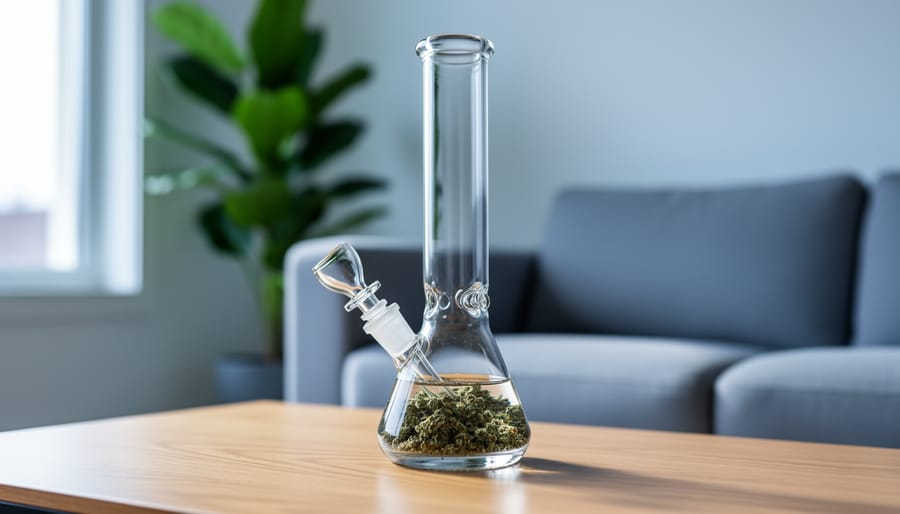
Smoking cannabis means burning dried flower and inhaling the smoke that results from combustion. When you light a joint, pipe, or bong, the cannabis burns at high temperatures, releasing cannabinoids (the active compounds) along with smoke containing tar, ash, and various combustion byproducts. The inhalation delivers effects quickly, but it also exposes your lungs to the same harsh irritants you’d encounter with any burning plant material.
Vaping cannabis heats the flower or concentrate just enough to release cannabinoids as vapor, without burning the material itself. This happens at lower temperatures than combustion requires. Instead of smoke, you inhale an aerosol containing cannabinoids and terpenes (the compounds that give cannabis its flavor and aroma), with fewer combustion-related chemicals. The process requires a battery-powered device designed specifically for cannabis, whether you’re using dried flower or concentrated extracts.
Both methods deliver THC and other cannabinoids into your system through your lungs, producing similar effects. The core difference lies in how the heat is applied and what you’re actually inhaling as a result.
Understanding Each Method
What Is Smoking Cannabis?
Smoking cannabis involves igniting dried flower and inhaling the resulting smoke. This is the traditional method most people recognize, whether through a hand-rolled joint, a simple pipe, or a water-filled bong.
The process relies on combustion, burning cannabis at high temperatures (typically above 600°C) that break down plant material and release cannabinoids along with smoke. When you light cannabis, you’re not just releasing THC and other compounds you want; you’re also creating tar, carbon monoxide, and various byproducts of burning organic matter. These enter your lungs with each inhale.
- Combustion
- The burning process that occurs when cannabis is lit with a flame, releasing smoke containing cannabinoids, tar, and combustion byproducts.
- Joint
- Cannabis rolled in thin paper, similar to a cigarette, often the most portable and accessible smoking method.
- Blunt
- Cannabis rolled in tobacco leaf or cigar wrap, producing a slower burn and additional nicotine exposure.
- Pipe
- A handheld device with a bowl for cannabis and a mouthpiece, offering a quick, reusable smoking option without papers.
- Bong
- A water pipe that cools and filters smoke through water before inhalation, often producing larger, more intense hits.
The equipment needed depends on your preferred method. Joints require rolling papers and ground cannabis. Pipes need just the device itself and a lighter. Smoking with a bong calls for the bong itself, water, and a basic understanding of bong smoking technique to avoid harsh hits.
All these methods share the same fundamental mechanism: you burn cannabis, the smoke carries active compounds into your lungs, and your bloodstream absorbs them rapidly. The differences lie mainly in portability, harshness, and ritual rather than the underlying combustion process.
What Is Vaping Cannabis?
Vaping cannabis heats the material to a temperature that releases active compounds as vapor without igniting it. Instead of burning the plant matter and inhaling smoke, users inhale a mist of cannabinoids and terpenes. This happens through controlled heating that stays below combustion temperature, which means no tar or ash is produced.
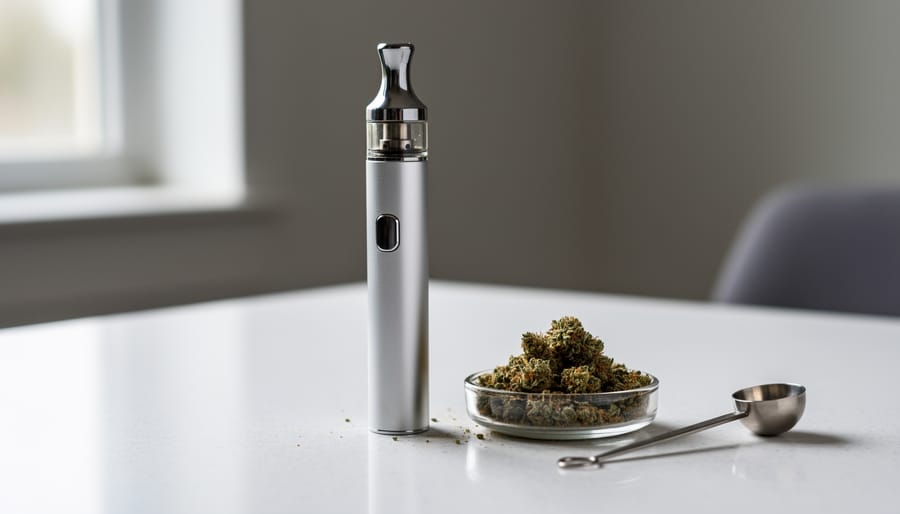
Two main types of devices dominate the cannabis vaping landscape: dry herb vaporizers that heat ground cannabis flower, and concentrate pens designed for cannabis oils, waxes, or distillates. Dry herb vaporizers use either convection (hot air passing through the material) or conduction (direct contact with a heated surface) to warm the cannabis until vapor forms. Users can often adjust temperature settings to control which compounds vaporize and influence the experience’s intensity and flavor profile.
Understanding a few key terms helps clarify how cannabis vaping works:
- Vaporization
- The process of heating cannabis to release active compounds as vapor without burning the plant material.
- Dry herb vaporizers
- Devices specifically designed to heat ground cannabis flower, typically offering temperature control and reusable chambers.
- Concentrate vapes
- Pens or portable devices that vaporize cannabis extracts like oils, waxes, or distillates rather than plant material.
- Convection heating
- A heating method where hot air flows through the cannabis, vaporizing compounds without direct contact with a heating element.
- Conduction heating
- A heating method where cannabis makes direct contact with a heated surface, similar to a frying pan.
Concentrate pens tend to be smaller and simpler, often using pre-filled cartridges that screw onto a battery. Dry herb vaporizers range from pocket-sized portables to larger desktop units with more precise controls. Both types aim to deliver cannabinoids and flavor while minimizing harmful byproducts associated with combustion. The vapor produced is generally less harsh on the throat and lungs than smoke, though individual experiences vary based on device quality, temperature settings, and material used.
Comparing Health and Safety
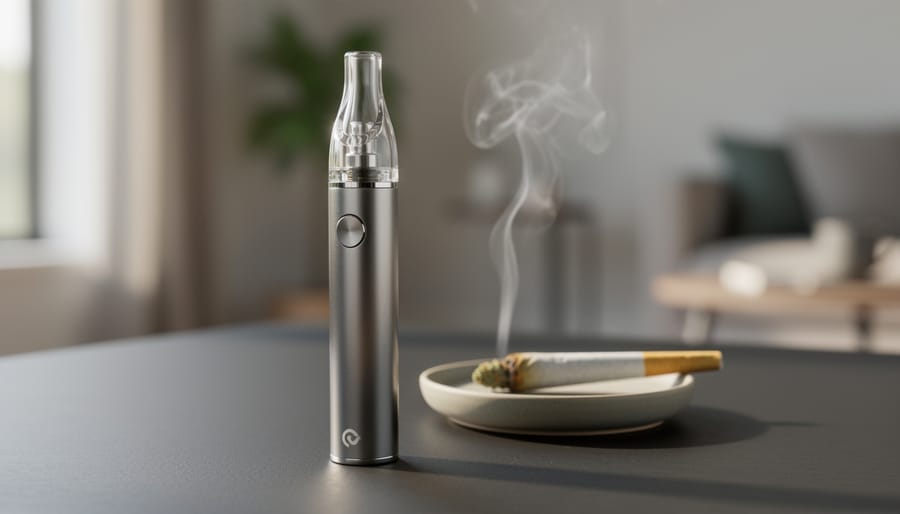
The most significant health difference between smoking and vaping cannabis comes down to what you’re actually inhaling. When you smoke cannabis, you’re burning plant material at high temperatures, which creates combustion byproducts including tar, carbon monoxide, and various carcinogens. These are the same harmful substances found in tobacco smoke, though cannabis smoke has its own distinct chemical profile.
Vaping heats cannabis to temperatures that release cannabinoids and terpenes without triggering combustion. This means you’re inhaling vapor rather than smoke, which eliminates or substantially reduces exposure to many of the harmful chemicals produced by burning. Research consistently shows that vaporized cannabis contains fewer toxins and respiratory irritants than smoked cannabis, though the extent of harm reduction is still being studied.
For your respiratory system, the difference matters. Chronic cannabis smoking is associated with symptoms like coughing, phlegm production, and airway inflammation. While the link between cannabis smoking and serious lung disease remains less clear than with tobacco, regular smoke inhalation isn’t benign. Vaping appears to cause fewer respiratory symptoms, and some studies suggest that people who switch from smoking to vaping cannabis report improvements in breathing and reduced coughing.
The cleaner inhalation profile also affects immediate experience. Vapor is generally smoother and less harsh on the throat, which can be particularly relevant if you’re considering compact vaporizer portability for regular use. The reduced harshness means you can use cannabis more comfortably without the burning sensation that often accompanies smoking.
However, it’s worth noting what we don’t yet know. Cannabis vaping research is still emerging, and most long-term health studies have focused on smoking. We don’t have decades of data on vaporizer use the way we do for smoking. The quality and purity of cannabis products also matters significantly, as contaminants can pose risks regardless of consumption method.
What the evidence does suggest is that vaping reduces exposure to combustion-related toxins compared to smoking, which aligns with harm-reduction principles. This doesn’t make vaping risk-free, but it does appear to be a lower-harm alternative for people who choose to use cannabis.
Experience and Effects

The experience of consuming cannabis differs markedly between smoking and vaping, even when using the same strain. Understanding these differences helps you anticipate what to expect from each method and choose the approach that matches your preferences.
Smoking typically delivers effects more rapidly. Most users notice the onset within minutes of inhaling combusted cannabis, with peak effects arriving shortly after. The experience tends to feel more immediate and intense, partly because combustion releases the full spectrum of cannabinoids and terpenes simultaneously at high temperatures. The harshness of smoke can also create a stronger throat sensation that some users associate with potency, though this is more about physical irritation than actual cannabinoid delivery.
Vaping produces a somewhat different experience profile. The onset may feel slightly more gradual, with effects building over a few minutes rather than hitting all at once. Many users describe vaporized cannabis as delivering clearer, more controlled effects that allow them to gauge their intake more precisely. The experience often feels less sedating or “heavy” compared to smoking, which some interpret as weaker effects though it may simply reflect the absence of combustion byproducts affecting your state.
| Dimension | Smoking | Vaping |
|---|---|---|
| Onset Time | 1-3 minutes | 2-5 minutes |
| Experience Intensity | Immediate, pronounced | Gradual, controlled |
| Flavor Profile | Smoky, masked terpenes | Clean, distinct terpenes |
| Duration | 1-3 hours typical | Similar overall duration |
Taste represents one of the most notable differences. Smoking masks the natural flavors of cannabis with smoke and ash, creating a familiar but less nuanced experience. Vaping preserves the terpene profile much more effectively, allowing you to taste the distinct citrus, pine, or earthy notes of your strain. This enhanced flavor is particularly apparent at lower temperatures and diminishes as you increase heat settings.
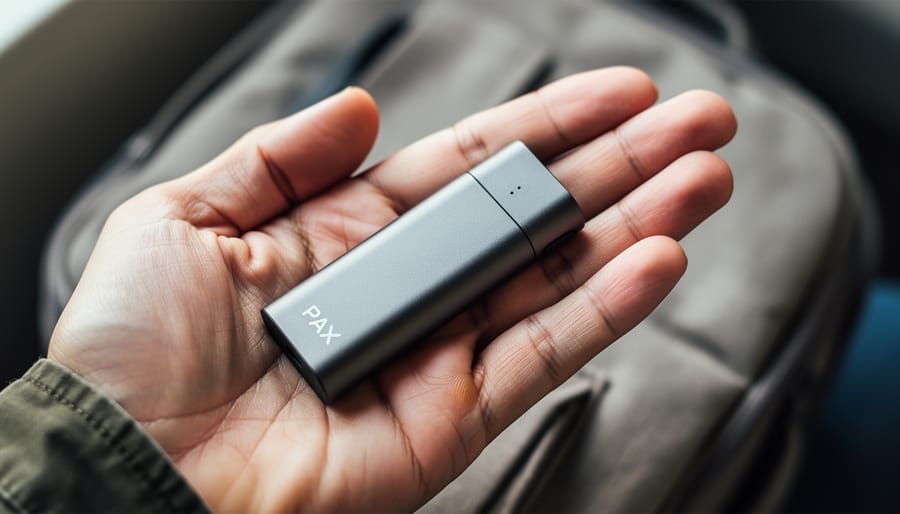
The duration of effects remains broadly similar between methods, typically lasting one to three hours depending on your tolerance and the amount consumed. Devices that prioritize convenience, such as compact options noted for their PAX Mini portability make it easier to adjust your intake throughout the experience without the ritual of rolling or packing a pipe.
Practical Considerations

Convenience and Portability
Smoking cannabis wins on simplicity. You can roll a joint almost anywhere with minimal gear, papers, cannabis, and a lighter. Pipes and small bongs are equally portable, fitting in a pocket or bag. Setup takes seconds, and there’s no charging or temperature adjustments to worry about.
Vaporizers require more planning. You need to charge the device beforehand, load the chamber carefully, and wait for it to heat up before use. Portable dry herb vaporizers have improved dramatically, but they’re bulkier than a lighter and still need battery management. If your device dies mid-session, you’re stuck until you can recharge.
That said, modern portable vapes have closed the gap. Many heat up in under a minute and fit easily in a jacket pocket. The trade-off is that you’re carrying a more expensive piece of kit that demands care and attention.
For true spontaneity and minimal fuss, smoking has the edge. For those willing to do a bit of advance prep, portable vaporizers offer reasonable convenience once you’ve integrated them into your routine.
Discretion and Odor
Cannabis smoke produces a strong, unmistakable smell that clings to clothes, furniture and hair. The odor travels easily and lingers for hours, making discreet use nearly impossible. Anyone nearby will recognize the scent immediately.
Vaping generates considerably less smell. The vapor dissipates faster than smoke and doesn’t penetrate fabrics as deeply. While not entirely odorless, you’ll notice a faint cannabis scent, it’s far subtler and fades within minutes rather than hours. Neighbors and passersby are less likely to detect vaping compared to smoking.
For visibility, smoking creates visible clouds and requires a flame, drawing attention. Vaping produces lighter vapor and uses a battery-powered device that resembles many nicotine vapes, making it less conspicuous in public settings where discretion matters.
Maintenance and Upkeep
Vaporizers demand regular cleaning to maintain performance and flavor. Most dry herb vaporizers need the chamber cleared after each session and a thorough clean weekly, removing residue from the heating chamber, mouthpiece, and screens. Concentrate pens require similar attention, with coils needing replacement every few weeks depending on usage. Neglect leads to clogged airways, burnt taste, and device failure.
Smoking equipment needs less frequent maintenance. Pipes and bongs benefit from periodic cleaning to prevent resin buildup and improve taste, but they’ll function even when dirty. Papers and blunts create no cleanup beyond disposing of ashes. The trade-off: vaporizers last years with proper care, while pipes can break and papers are consumable. Vaporizers represent a higher commitment to upkeep in exchange for device longevity.
Cost Considerations
Choosing between vaping and smoking cannabis involves different financial commitments that extend beyond the initial purchase. Understanding these cost categories helps you assess which method aligns with your budget over time.
Smoking cannabis requires minimal upfront investment. Rolling papers, a basic pipe, or a simple glass piece can get you started, with these tools often lasting months or years with proper care. The main ongoing expense is the cannabis itself, consumed directly through combustion.
Vaping cannabis involves a higher initial outlay. Dry herb vaporizers range from budget-friendly portable models to premium desktop units with advanced temperature controls. Concentrate pens sit somewhere in the middle. Quality matters here, cheaper devices may underperform or fail quickly, while mid-range options often provide the best balance of reliability and features.
Several cost factors deserve consideration when comparing methods:
- Initial device purchase ranges from basic smoking tools to vaporizers across multiple price tiers
- Consumables include cannabis, replacement screens, filters, or coils depending on your method
- Replacement parts like batteries, heating chambers, or broken glass affect long-term costs
- Efficiency differences may mean you use varying amounts of cannabis with each method
Many vapers report that vaporizers extract cannabinoids more efficiently than combustion, potentially stretching your cannabis further despite the higher device cost. This efficiency gain isn’t universal and depends on factors like device quality, temperature settings, and individual usage patterns.
The cost equation shifts based on frequency of use. Daily consumers might recoup a vaporizer’s cost through improved efficiency, while occasional users may find smoking more economical. For those exploring alternatives to vaping or smoking, each method’s total cost of ownership extends beyond the sticker price to include maintenance, replacement parts, and how much cannabis you consume per session.
Who Should Choose Which Method
Choosing between vaping and smoking cannabis comes down to which factors matter most to you right now.
If respiratory health is your primary concern, vaping appears to be the gentler option. It eliminates combustion byproducts that irritate your lungs and throat, making it worth considering if you already experience respiratory sensitivity or want to minimize potential harm. People transitioning from tobacco smoking might find vaping cannabis aligns with the same harm-reduction principles they’re applying elsewhere in their lives, the same thinking behind comparing supplements vs vaping when evaluating health alternatives.
Choose smoking if upfront cost is a barrier and you need a method that works immediately without learning curves or device troubleshooting. Rolling papers and basic pipes require minimal investment, no charging, and no maintenance beyond cleaning. Smoking also suits those who value the ritual and social aspects of traditional consumption.
Vaping makes more sense if you prioritize discretion, flavor, or precise control over your experience. It produces less noticeable odor, lets you adjust temperature to fine-tune effects, and generally offers a cleaner taste. The higher initial cost pays off over time for regular users through potential cannabis savings and device durability.
Experience level matters less than you might think. Both methods are accessible to newcomers, though vaping does require reading a manual and understanding temperature settings. Start with whichever method feels less intimidating.
Your lifestyle plays a role too. Frequent travelers or people in shared living situations often prefer vaping’s portability and subtlety. Those who consume occasionally in private settings may find smoking’s simplicity more practical.
Consider your priorities honestly rather than what seems “better” in the abstract. The right method is whichever one you’ll actually use consistently and comfortably.
Common Questions About Cannabis Vaping vs. Smoking
Is vaping cannabis safer than smoking it?
Vaping avoids combustion, which means you’re not inhaling tar and many of the toxic byproducts created when plant material burns. While research suggests this represents a harm-reduction approach, vaping isn’t risk-free, and long-term studies on cannabis vaping specifically are still limited.
Can I use the same vaporizer for both dry herb and concentrates?
Some vaporizers are designed specifically for dry herb, while others work only with concentrates like wax or oil. Hybrid models exist that accommodate both, but they typically perform better with one type than the other.
Will switching from smoking to vaping change how high I get?
Many users report a clearer, more controlled experience when vaping, with effects that come on slightly more gradually than smoking. You may need to experiment with temperature settings and inhalation technique to find what works for you, as the experience differs from the immediate intensity of combustion.
How hard is it to learn to use a vaporizer if I’m used to smoking?
Most modern vaporizers are straightforward once you understand the basics of temperature control and proper loading. The main adjustment involves learning to draw more slowly and steadily than you would with a joint or pipe, but most people adapt within a few sessions.
Beyond these common concerns, people often ask about the legal status of vaping versus smoking cannabis. The legality depends entirely on your location and local cannabis laws, not on the consumption method itself. If cannabis is legal in your area, both vaping and smoking are typically permitted, though some jurisdictions restrict where you can consume publicly.
Another frequent question involves whether you can transition gradually between methods. There’s no requirement to choose one exclusively. Many cannabis users keep both options available, selecting based on their situation and preferences at the time.
Both smoking and vaping cannabis are legitimate methods, each with its own set of trade-offs. Your choice ultimately depends on what matters most to you: immediate health impact, the quality of experience, convenience, or cost.
The evidence suggests that vaping offers meaningful harm-reduction benefits by eliminating combustion and the harmful byproducts that come with it. This aligns with the broader harm-reduction approach we advocate for on this site, though it’s important to recognize that cannabis vaping involves its own unique considerations and isn’t identical to switching from tobacco cigarettes to nicotine vapes.
If respiratory health is your primary concern, vaping presents a gentler alternative. If you value simplicity, tradition, or lower upfront costs, smoking may suit you better. Neither choice is inherently right or wrong.
Whatever path you choose, you’re making that decision with a clearer understanding of how each method works and what it means for your health and lifestyle. That’s what matters. Being informed puts you in control, and that’s always a step in the right direction.